

Contact
+86 185 0154 9417
In an automotive braking system, front and rear calipers differ significantly in design and function due to the different forces and roles they bear.
1. Different Brake Force Distribution
- During braking, the vehicle's center of gravity shifts forward, and the front wheels bear approximately 70–80% of the braking force, making them the primary source of braking.
- The rear wheels provide only 20–30% of the braking force, helping to maintain vehicle stability and prevent skidding or loss of control.
2. Different Piston and Structural Design
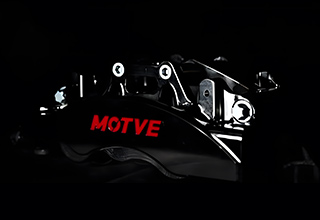
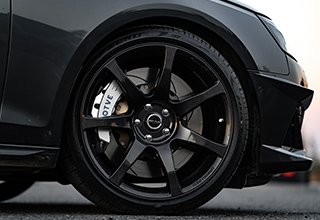
- Front calipers: Subject to higher loads, they commonly use fixed calipers with two, four, or six pistons. They are larger and provide stronger clamping force.
- Rear calipers: Subject to lower loads, they are mostly single‑piston floating calipers, which are smaller and simpler in construction.
3. Different Functional Integration
- Front calipers: Responsible only for service braking, with a simple structure focused on braking performance and heat dissipation.
- Rear calipers: Often integrate the parking brake / electronic parking brake (EPB), providing parking hold functionality, which makes their internal structure more complex.
4. Different Heat Dissipation and Materials
- Front wheels: Generate more heat during braking, requiring better heat dissipation, higher strength, and lightweight properties. High‑performance aluminum alloys are commonly used.
- Rear wheels: Generate less heat, so the demands on heat dissipation and materials are relatively lower.
5. Different Maintenance and Wear
- Front brake pads and discs wear out faster and have shorter replacement intervals.
- Rear wheels: In addition to regular maintenance, the parking brake mechanism, motor, and return function also need to be inspected.

MOTVE Braking, Beyond Performance.